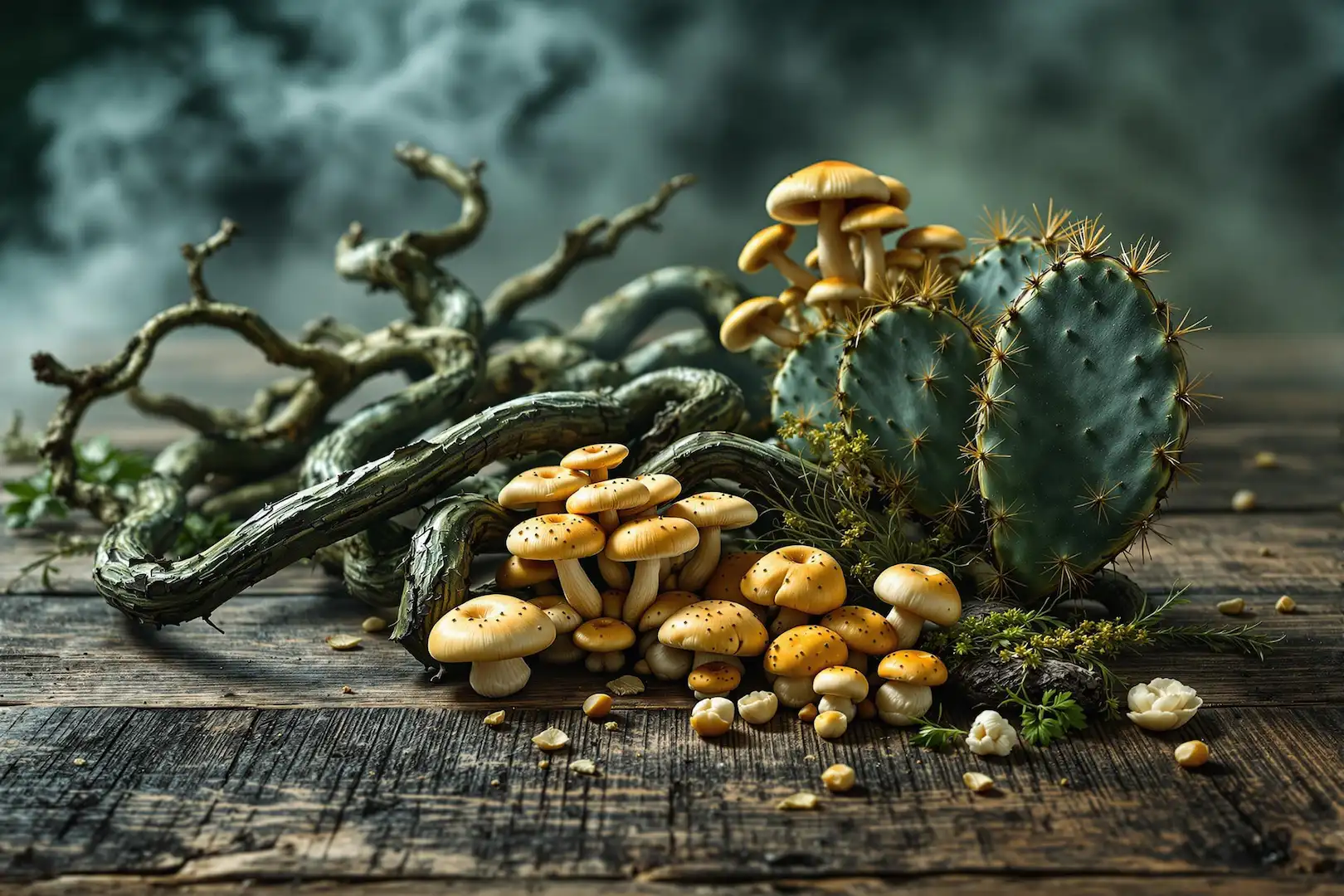
Various plant medicines, each with its own cultural heritage and therapeutic qualities, offer unique paths to self-discovery. Ayahuasca, commonly associated with Amazonian traditions, often provides intense emotional purging and deep spiritual insights. Psilocybin, found in certain mushrooms, may offer visionary experiences but can feel gentler for some individuals.
Choosing a plant teacher involves understanding personal intentions. Someone seeking emotional release from past trauma might lean toward a more cathartic experience like ayahuasca, while those curious about creative exploration might consider psilocybin. Researching the ceremonial context is also crucial, as traditions differ in preparation, structure, and style.
It’s helpful to reflect on comfort levels regarding intensity. Some plant medicines come with stronger physical effects, such as nausea or purging. Others may deliver more subtle shifts in perception. A consideration of one’s emotional resilience and support system can guide this decision.
Location and facilitation are another factor. Traditional ayahuasca ceremonies may be found in South American retreats, while psilocybin retreats might occur in other regions. Ensuring the setting feels safe and respectful fosters a positive experience. Reading testimonials or talking to experienced individuals can help verify the integrity of a ceremony.
Finally, it’s important to remember that any plant teacher can bring profound insights when approached with respect. The choice depends on personal alignment with the medicine’s nature and a willingness to engage in reflective work afterward. The question isn’t which is universally better, but rather which resonates with the specific needs and goals of the individual.